Buying a home is exciting, but it can also come with a lot of uncertainty. For many buyers, the home inspection is one of the first opportunities to slow down, take a closer look at the property, and better understand the home they are considering purchasing.
At Central Jersey Home Inspections, our goal is not simply to identify defects. We want our clients to leave the inspection with a better understanding of the home—its major systems, its current condition, and the maintenance and repairs that may need attention.
If you have never been through a home inspection before, here is what you can expect.
What Does a Home Inspector Look At?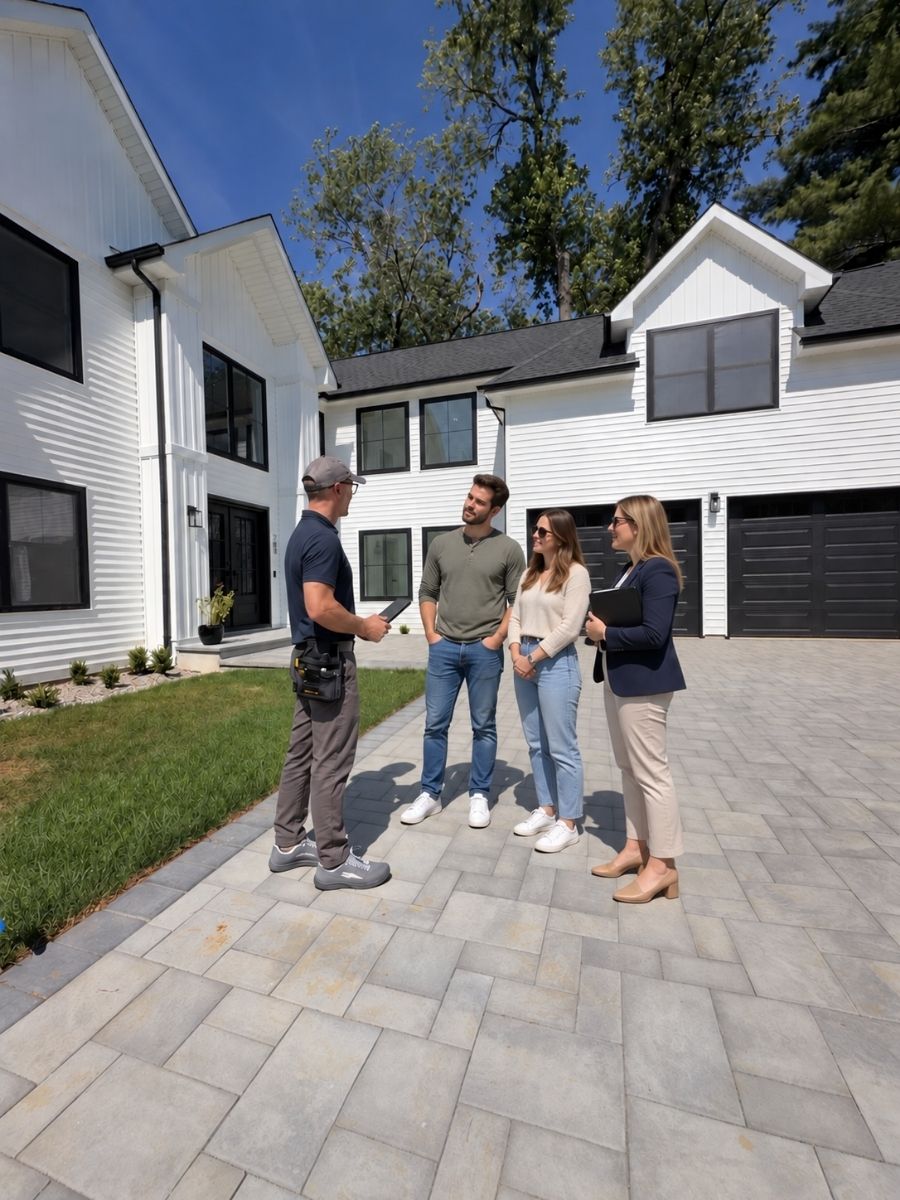
A home inspection is a visual evaluation of the home’s readily accessible systems and components. Depending on the home, this typically includes areas such as:
- Roof and exterior
- Foundation and visible structural components
- Attic and insulation
- Plumbing system
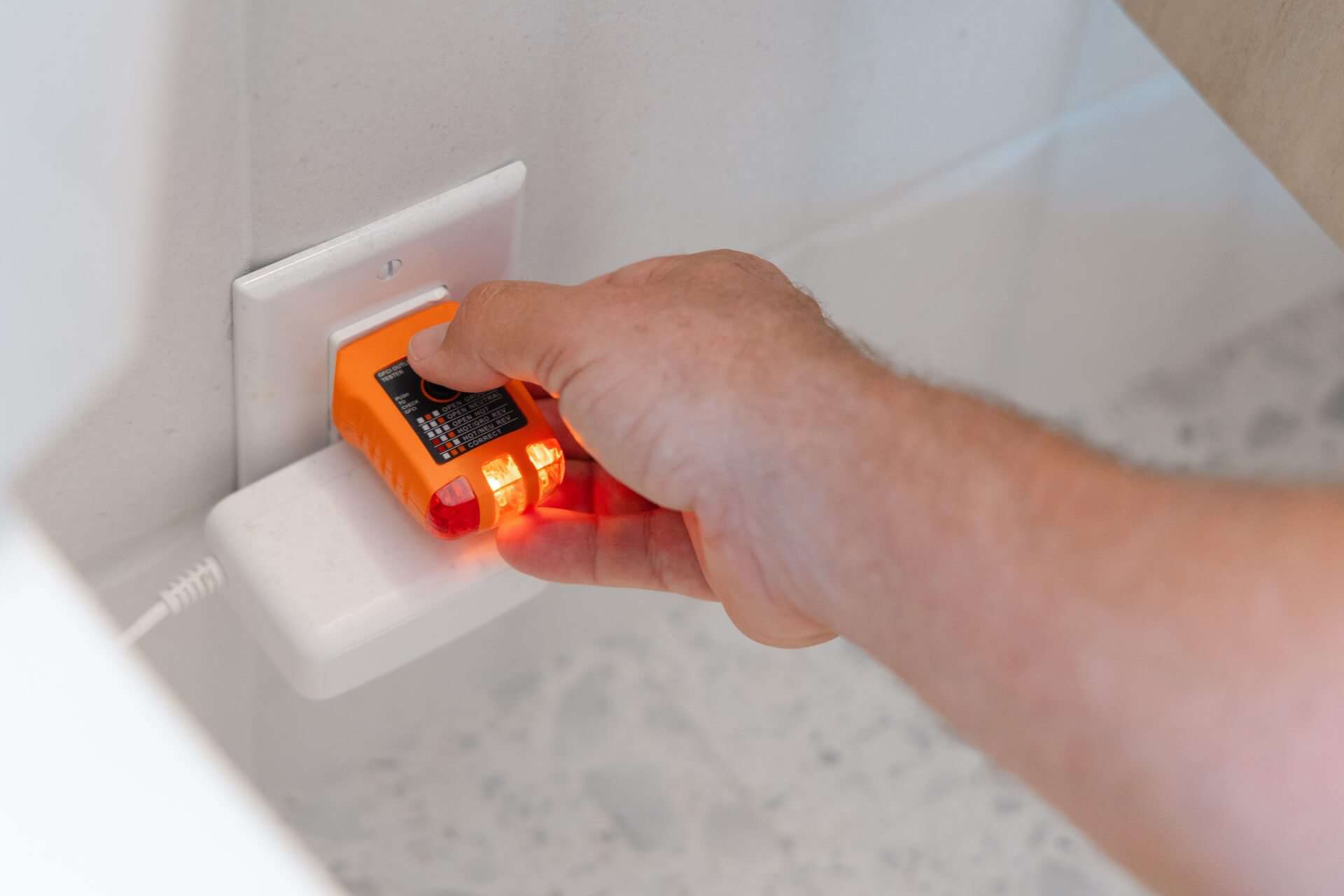
- Electrical system
- Heating and cooling equipment
- Interior rooms and finishes
- Windows and doors
- Kitchens and installed appliances
- Bathrooms
- Basements and crawlspaces
- Garages and other accessible areas
The inspection is designed to provide a clearer picture of the property’s condition at the time of the inspection.
It is important to understand that a home inspection is not invasive. Inspectors do not open walls, remove finished surfaces, or dismantle equipment. Some components may also be inaccessible due to personal belongings, locked areas, finished construction, weather conditions, or other limitations.
When limitations are present, they should be clearly communicated so the buyer understands what was—and was not—able to be evaluated.
Should Buyers Attend the Home Inspection?
Whenever possible, we encourage buyers to attend at least a portion of their inspection.
The written report is important, but being at the property gives buyers an opportunity to see important components firsthand and ask questions about the home.
This is especially useful for first-time buyers.
During the inspection, we may discuss where important shutoffs are located, how certain systems operate, maintenance considerations, and issues that deserve additional attention.
A good home inspection should leave you more informed about the property, not simply hand you a list of problems.
What Happens When the Inspector Finds Problems?
Problems are normal.
Every home has maintenance needs, imperfections, and items that could be improved. Older homes often have more of them, but even newly constructed homes can have issues.
The purpose of the inspection is to identify and explain those conditions so you can make informed decisions.
Some findings may be relatively minor maintenance items. Others may involve significant repairs, safety concerns, or conditions that warrant evaluation by an appropriate specialist. It is important to remember that any defects can be repaired, replaced or corrected.
While we help you understand the significance of the conditions we observe and the appropriate next steps, we do not provide estimates for the cost of repairs or replacements. Actual costs can vary significantly based on the scope of work, materials, contractor, and other factors. Pricing is best obtained from the appropriate qualified professional.
Context matters.
A long inspection report does not automatically mean you are looking at a bad house, just as a shorter report does not guarantee that future repairs will never be needed. The significance of the individual findings is more important than the number of pages in the report.
Our job is to help you understand that distinction.
The Home Inspection Is Also an Education
One of the most valuable parts of a home inspection is learning about the house itself.
Homes require ongoing maintenance. Understanding the property before moving in can make that responsibility much easier.
During an inspection, buyers may learn about things such as :
- Main water and electrical shutoffs
- Heating and cooling equipment
- Drainage and moisture management
- Roof and exterior maintenance
- Typical maintenance needs
- Components that may be approaching the end of their expected service life
- Areas that should be monitored over time
That information can help you prioritize repairs, plan future maintenance, and take better care of the home after closing.
What Happens After the Inspection?
After the inspection, you will receive a written inspection report documenting the conditions observed.
A useful report should do more than identify an issue. It should help you understand what was observed, why it matters when appropriate, and what the recommended next step is.
Depending on the finding, that next step might involve repair, maintenance, monitoring, or additional evaluation.
Your real estate agent can then help you understand how the inspection findings fit into the next stage of your transaction. The inspector and real estate agent have different roles, and both are important.
We provide information about the property and its condition. Your agent can advise you on contractual matters, negotiations, and how you may want to proceed with the transaction.
Home Inspections Should Reduce Uncertainty, Not Create Fear
Buying a home is a major decision. The inspection should give you useful information to help make that decision with greater confidence.
Our approach at Central Jersey Home Inspections is straightforward: inspect throughly, communicate clearly, put findings into perspective, and help our clients better understand their future homes.
We are not there to make the decision for you. We are there to give you better information so that you, together with the professionals advising you, can make the decisions that are right for your situation.
Scheduling a Home Inspection in Central New Jersey
If you are purchasing a home in New Jersey, Central Jersey Home Inspections is here to help you better understand the property before moving forward.
Whether you are a first-time buyer or have purchased several homes, our goal is the same: provide a thorough inspection, clear communication, and practical information you can actually use.
Central Jersey Home Inspections
Helping New Jersey home buyers understand the homes they’re buying.